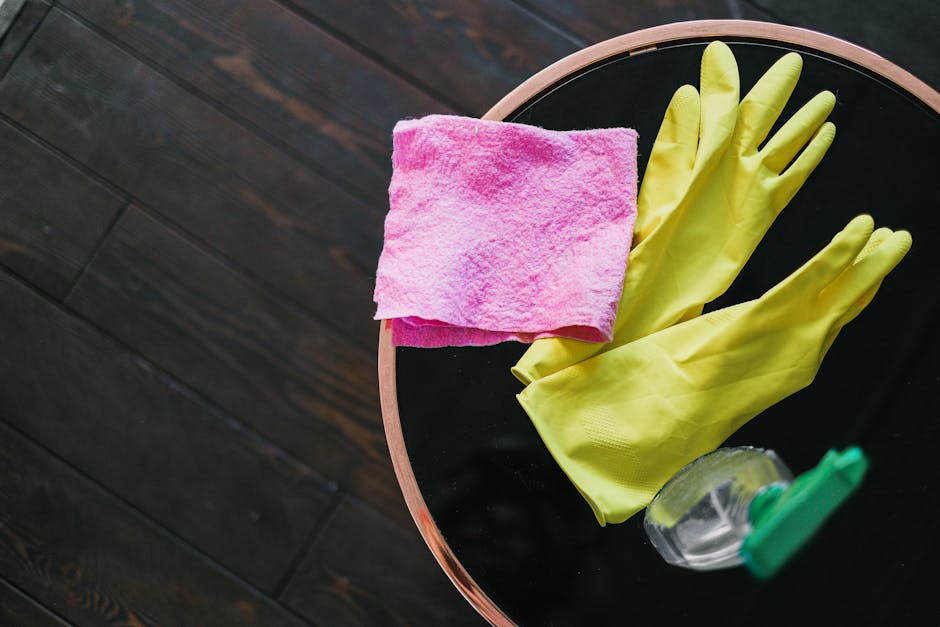
Deep cleaning guide for SE1 studio flats Southbank
Studio flats in SE1 can look deceptively simple from the outside, but anyone who has lived in one near Southbank knows the reality: compact layouts, limited storage, shared ventilation patterns, heavy foot traffic, and dust that seems to settle everywhere at once. A proper deep cleaning guide for SE1 studio flats Southbank needs to go beyond a quick wipe-down. It should help you tackle hidden grime, keep the space feeling fresh, and protect the finish of surfaces that get used hard every day.
This guide is written for real life in a small London flat. That means practical steps, not perfection theatre. Whether you are preparing for guests, refreshing a long-term rental, handling an end-of-tenancy clear-out, or just trying to get the place back under control after a busy spell, the process below will help you clean with more confidence and less frustration.
Expert summary: In a studio flat, the biggest gains usually come from cleaning in the right order, using fewer but more effective products, and paying attention to the places people forget: edges, behind furniture, vents, seals, and fabric surfaces.
If you prefer to use a professional team for some or all of the work, it can be helpful to compare options alongside your own plan. Services such as deep cleaning, one-off cleaning, and domestic cleaning are often the most relevant starting points for compact homes that need more than routine maintenance.
Table of Contents
- Why deep cleaning matters in SE1 studio flats
- How the process works in a studio layout
- Key benefits and practical advantages
- Who this is for and when it makes sense
- Step-by-step guidance
- Expert tips for better results
- Common mistakes to avoid
- Tools, resources and recommendations
- Law, compliance, standards and best practice
- Options and method comparison
- Case study or real-world example
- Practical checklist
- Conclusion
- Frequently asked questions
Why deep cleaning matters in SE1 studio flats
SE1 and the Southbank area bring together busy streets, riverside footfall, restaurants, commuting, events, and constant day-to-day activity. In a studio flat, all of that tends to show up indoors faster than you expect. Dust settles on window sills, bathroom limescale builds up, cooking residue clings to nearby walls and cupboards, and soft furnishings absorb odours because there is simply less air separation between living, sleeping, and cooking zones.
That is why deep cleaning is not just about making a place look tidy. It is about resetting the flat. A deep clean removes the build-up that routine weekly cleaning misses, especially in compact homes where a single neglected area can make the whole flat feel grubby. It also matters if you rent. Even when a landlord or letting agent does not specify an exact standard, the general expectation in the UK is that a property should be left in a clean, presentable condition at the end of a tenancy, with normal wear and tear treated separately from avoidable dirt.
Another reason it matters: studios collect clutter visually and physically. One chair with laundry on it can make the whole room look messy. One greasy extractor, one dusty skirting board, or one stained rug can have the same effect. Deep cleaning restores balance. You notice the difference immediately, especially in daylight around late morning when the riverside light comes in and every mark seems to suddenly appear. Annoying, yes. Useful? Very.
How deep cleaning works in a studio layout
In a studio flat, deep cleaning works best as a zone-based process rather than a room-by-room process, because many areas overlap. Your sleeping area, lounge area, dining space, and sometimes workspace are usually one open plan zone. The kitchen and bathroom remain separate, but they are still close enough that grease, steam, and humidity affect the rest of the home.
A sensible method usually follows this order:
- Declutter first. Clear surfaces, floors, and under-bed storage so you can actually reach the dirt.
- Dust high to low. Start with shelves, light fittings, curtain rails, vents, and picture frames.
- Handle the kitchen and bathroom next. These are the most detail-heavy areas and often need dwell time for products.
- Move to fabrics and flooring. Vacuum, spot-treat, and clean soft furnishings and carpets.
- Finish with touchpoints. Handles, switches, remotes, taps, and doors.
That sequence matters because it prevents rework. If you mop before dusting, you will end up cleaning the floor twice. If you vacuum before lifting clutter, you will be chasing crumbs and hair around for no reason. It sounds obvious when written out, but in real flats, people often start with the most visible thing and end up doing things in the wrong order.
For residents who want a more intensive reset, many choose to combine a self-led clean with a specialist service such as oven cleaning, carpet cleaning, or upholstery cleaning where fabric and food residue have built up over time.
Key benefits and practical advantages
The most obvious benefit is that the flat looks and smells better. But the practical value goes further than that, especially in a compact SE1 property where space is limited and every surface has to work harder.
- Better air quality indoors: Dust, cooking residue, and fabric particles are reduced when hidden surfaces are properly cleaned.
- Less odour retention: Kitchen smells and damp bathroom notes do not linger as much when soft furnishings and hidden corners are cleaned too.
- Longer life for surfaces: Regular removal of grease, limescale, and grit helps protect finishes on floors, taps, sealants, and appliances.
- Less stress before inspections or guests: You are not doing a frantic last-minute tidy around a build-up of grime.
- Better use of small space: Deep cleaning often reveals storage, surfaces, and floor space you had mentally given up on.
There is also a mental benefit people underestimate. A clean studio feels less compressed. When you have one main living area, the state of that room affects your mood in a very direct way. In practice, the difference between a standard tidy and a deep clean can feel like getting a little breathing room back. Not magic, just less visual noise. Still counts.
Who this is for and when it makes sense
This guide is useful for several common situations:
- Tenants preparing to move out and wanting the flat to present well at inspection time.
- New tenants who want to start with a genuinely clean space, not just one that looks fine at first glance.
- Busy professionals who keep odd hours and need a realistic plan that fits around work and commuting.
- Landlords or property managers who want a consistent standard between occupancies.
- Residents after renovations or maintenance work when dust has spread further than expected.
- Anyone living near high-traffic city routes where outdoor grime seems to migrate indoors constantly.
It makes sense to schedule a deep clean when routine cleaning no longer restores the flat properly. If the bathroom feels dull even after a wipe-down, if the kitchen cabinets have a tacky feel, if the mattress or sofa holds odour, or if the floor still looks tired after vacuuming, the issue is usually build-up rather than a lack of effort. Different problem, different fix.
For some households, a broader reset is the better choice. A full-service house cleaning or home cleaners option can make sense if the flat has become difficult to keep on top of because of work, travel, or health constraints.
Step-by-step guidance
1. Prepare the space properly
Start by removing loose clutter from visible surfaces and from the floor. In a studio flat, this step is not a nice extra; it is essential. Move laundry, bags, boxes, cables, and items that have drifted into the wrong place. If you try to clean around them, you will miss dust lines and grit traps.
Open windows if weather and security allow. Fresh air helps reduce the stuffy feeling that can come from cleaning products and trapped humidity. If your flat has limited airflow, clean in shorter sessions so the room does not become too heavy with moisture.
2. Start at the highest points
Dust light fittings, top shelves, picture frames, curtain rails, and the tops of wardrobes or cabinets. These are easy to miss in a small flat because they are not in your eye line. The dust does not disappear; it just falls later if you leave it until the end. Use a microfiber cloth or a soft duster so you are lifting the dust rather than pushing it around.
3. Deep clean the kitchen zone
The kitchen in a studio often does a lot of heavy lifting. Even a modest cooking routine creates grease, moisture, and crumbs. Focus on cupboard fronts, handles, splashback areas, sink edges, taps, the extractor or hood, and the outside of appliances. Pay particular attention to the area near the hob, where residue can harden quickly.
For the oven, avoid guessing with strong products if you are unsure about the finish. A careful, methodical clean is better than a rushed one that damages seals or leaves chemical residue. If the oven is badly soiled, a specialist oven cleaner can save a lot of time and scrubbing.
4. Reset the bathroom thoroughly
Bathrooms in compact flats are prone to limescale, soap film, mildew, and hair build-up. Clean the shower screen or curtain, sink, toilet, tap bases, tiles, grout lines, extractor cover, and behind the toilet. If water marks are stubborn, let the cleaner sit for a little while before wiping. Rushing tends to leave streaks and half-clean patches that become obvious later in the day.
Be gentle around sealant and grout. Aggressive scouring may remove dirt quickly, but it can also shorten the life of surfaces. Good deep cleaning respects the material, not just the stain.
5. Treat fabrics and soft surfaces
In a studio flat, fabric catches everything: cooking smells, dust, skin particles, and pet hair if you have a pet. Vacuum the sofa, mattress, headboard, rugs, and any fabric chair carefully. Lift cushions and clean underneath. If there are stains, spot-test before using any product. This is one of those tiny steps people skip and then regret later.
If the sofa or rug is holding odours, a professional service may be worthwhile. Sofa cleaning and rug cleaning are particularly useful in smaller homes where fabrics are close to cooking and sleeping areas.
6. Clean the flooring last
Vacuum every accessible area, including under furniture edges and along skirting boards. For hard floors, choose a cleaner that suits the material. A laminate floor, a sealed wood surface, and a tile floor should not all be treated the same way. If your flooring needs more than a standard mop, consider whether a specialist hard floor cleaning service is the more sensible choice.
7. Finish with contact points and details
Wipe light switches, door handles, remote controls, cupboard pulls, skirting boards, and window handles. Clean the inside of windows if they are accessible and safe to reach. These small details are often what separate a tidy flat from one that feels properly refreshed. They are also the things people notice the minute they step through the door. Funny, really.
Expert tips for better results
A few practical habits make the whole process easier and more effective:
- Work in sections. In a studio, one section can get messy fast if you try to clean the whole place at once.
- Use dwell time. Let bathroom and kitchen products sit for a short period so they loosen grime before wiping.
- Carry two cloths. One for general surfaces, one for the bathroom. Mixing them is not ideal.
- Vacuum edges and corners twice. Dust and hair collect there, especially where furniture has been stationary for months.
- Clean before you store. If you are reorganising cupboards or under-bed storage, clean the space first so you are not trapping dirt inside again.
- Think scent carefully. A flat should smell clean, not heavily perfumed. Overdoing fragrance can hide, rather than solve, the underlying issue.
If the flat is being cleaned after decorating, moving furniture, or a minor refurbishment, you may also need support from after builders cleaning. Fine dust from work on walls, shelves, or floors tends to appear in the most awkward places, and it is stubborn.
And one more thing: do not be tempted to chase every microscopic mark for an hour while the rest of the flat stays untouched. That is how people lose an entire afternoon. Clean broadly first, then detail what still needs it. Much calmer.
Common mistakes to avoid
Small flats often create a few predictable cleaning errors. Avoiding them will save time and prevent damage.
- Cleaning in the wrong order. If you mop or vacuum too early, you will just move dust around again.
- Using too much product. More cleaner does not equal better cleaning. It often leaves residue.
- Ignoring hidden surfaces. Behind bins, under the bed, along the back of the sink, and around appliance bases all matter.
- Over-wetting fabrics. This can cause long drying times and lingering smells.
- Skipping extractor fans and vents. In a compact studio, airflow matters more than people think.
- Forgetting windows and tracks. Dirt in window channels makes even a clean room feel unfinished.
One practical mistake worth calling out: if you are living in the flat while cleaning it, do not move all your belongings into one corner and call that progress. It looks organised for about five minutes, then it becomes a new obstacle. We have all done some version of this, to be fair.
Tools, resources and recommendations
You do not need a cupboard full of products to deep clean a studio flat well. In most cases, a small but reliable set of tools is more effective than a drawer full of half-used bottles.
| Item | Best use | Why it helps in a studio flat |
|---|---|---|
| Microfiber cloths | General surfaces, dusting, polishing | Reusable, effective on compact surfaces, and less wasteful |
| Vacuum with attachments | Floors, skirting, upholstery, corners | Helpful where space is tight and furniture sits close to walls |
| Non-abrasive bathroom cleaner | Taps, tiles, sink, shower areas | Reduces limescale and soap film without scratching |
| Degreasing cleaner | Hob, splashback, cupboard fronts | Useful for cooking residue in small kitchens |
| Grout brush or soft detailing brush | Edges, grout, corners, tracks | Makes awkward areas much easier to finish properly |
| Steam or spot-cleaning equipment | Some fabrics and hard-to-reach spots | Can be useful, but use carefully and only where suitable |
If you are deciding whether to clean yourself or bring in support, it can help to look at the wider service types available on the site. For a broader domestic reset, cleaning company support may be useful; for ongoing upkeep, cleaners or cleaner pages can help you understand how the service is usually structured.
It is also worth checking provider information around safety and trust. If you are inviting a team into a private flat, look for clear information on insurance and safety as well as the company's health and safety policy. Those details are not glamorous, but they matter.
Law, compliance, standards and best practice
This topic is not usually about heavy regulation, but there are still sensible standards to keep in mind. In the UK, cleaning expectations around rentals, inspections, and move-outs are generally guided by tenancy agreements, normal property condition, and the basic principle that homes should be left clean and in an orderly state. Exact obligations can vary, so it is wise to check your own agreement rather than assume every landlord expects the same thing.
From a safety perspective, product labels and instructions should be followed carefully, especially in small enclosed spaces. Ventilation matters. So does storing chemicals safely away from food, children, and pets. If a product is marked for a specific surface, treat that as a real limitation, not a suggestion.
For professional cleaning work, transparency is part of best practice. Customers should be able to review booking terms, payment handling, and complaint routes before confirming a service. If you are comparing providers, documents such as terms and conditions, payment and security, pricing and quotes, and complaints procedure are all useful trust signals.
There is also a broader responsibility angle. If sustainability matters to you, choose products and methods with less waste where possible. The company's recycling and sustainability approach can give you a sense of how it handles waste and resource use. That is especially relevant in a city flat, where packaging, dirty water disposal, and product choice can add up quickly.
Options and method comparison
Not every SE1 studio needs the same level of intervention. The right choice depends on time, condition, and how much of the work you want to do yourself.
| Approach | Best for | Pros | Trade-offs |
|---|---|---|---|
| DIY deep clean | Routine reset, light to moderate build-up | Flexible, budget-friendly, full control | Takes time, can miss hidden grime, physically demanding |
| Partial professional help | Problem areas such as oven, carpets, or upholstery | Targets the hardest jobs, saves effort | Still requires some planning and coordination |
| Full professional deep clean | Move-outs, heavy build-up, time-poor households | More thorough, consistent, less stress | Higher upfront cost than doing it yourself |
A sensible middle route is popular for many studio residents: handle decluttering and day-to-day surface work yourself, then bring in specialist help where it matters most. That might mean end of tenancy cleaning before a move, or focused support such as window cleaning if the flat feels dull despite being otherwise tidy.
For people who have very limited time, a targeted one-off service often gives the best return. For people who enjoy cleaning but want a deeper reset, splitting the work into two sessions is usually more realistic than trying to do everything in one go. Your back will thank you later. Probably with dignity.
Case study or real-world example
Imagine a Southbank studio occupied by a young professional who works long hours and cooks most evenings. The flat looks fine at a glance, but the kitchen has a greasy sheen on cupboard handles, the bathroom mirror has water spots, the sofa smells slightly stale, and the carpet near the bed has collected dust and lint in the same strip of sunlight every morning.
Instead of trying to clean everything in one overwhelming session, the work is divided into stages. First, clutter is removed and the flat is aired out. Next, the kitchen and bathroom are deep cleaned, because those are the most noticeable problem areas. Then the sofa, rug, and bedroom side of the room are vacuumed and spot-treated. Finally, window tracks, skirting boards, and switches are cleaned, which makes the whole studio feel brighter.
The result is not just a cleaner flat. It feels bigger. The smell is fresher. The floor shows again. The resident can keep up with maintenance more easily because the base level of grime is gone. That is the real win with compact homes: once the deep build-up is removed, routine cleaning becomes much simpler. A lot simpler, actually.
Practical checklist
Use this checklist if you want a quick but structured way to work through the flat.
- Remove clutter from floors, countertops, and storage surfaces
- Open windows where safe and practical
- Dust high shelves, rails, frames, and light fittings
- Wipe cupboard fronts, handles, and switches
- Degrease hob, splashback, sink area, and appliance exteriors
- Clean inside and around the oven if needed
- Scrub sink, taps, toilet, shower, tiles, and grout
- Vacuum mattress, sofa, rugs, and under furniture edges
- Treat any stains safely and test products first
- Clean floors according to the material
- Wipe skirting boards, window handles, and tracks
- Check for lingering odours and hidden damp patches
- Take out rubbish and recycling at the end
If you tick off those steps in order, you will usually end up with a noticeably better result than if you jump around the flat at random. Simple, but true.
Conclusion
Deep cleaning a studio flat in SE1 does not need to feel like a monumental task. The trick is to treat the space as a compact but complete home: every zone matters, every hidden corner collects dirt, and every soft surface plays a bigger role than it would in a larger property. Once you understand the rhythm of the job, the process becomes much more manageable.
The best results usually come from a clear order of work, the right tools for each surface, and a realistic view of what you can comfortably do yourself. For stubborn build-up, specialist help can be a sensible investment, especially when carpets, ovens, or upholstery are involved. And if you are comparing providers, the most trustworthy ones make information easy to find, from safety details to pricing and policies.
Get a free quote today and see how much you can save.
Sometimes a proper reset is exactly what a small home needs. And once the dust is gone, the whole place feels lighter again.
Frequently Asked Questions
How often should I deep clean a studio flat in Southbank?
That depends on how you live in the space, but many people find that a thorough deep clean every few months keeps a studio manageable. If you cook often, work from home, or live with pets, you may need to target kitchen, bathroom, and fabric areas more frequently.
What is the difference between regular cleaning and deep cleaning?
Regular cleaning keeps surfaces tidy and hygienic on a day-to-day basis. Deep cleaning goes further by tackling build-up in hidden or awkward areas such as edges, grout, appliance bases, window tracks, and soft furnishings. It is more detailed and usually takes longer.
Can I deep clean a studio flat in one day?
Yes, if the flat is not heavily neglected and you plan well. A compact SE1 studio can often be deep cleaned in a day, but only if you work in the right order and avoid getting stuck on one small task for too long. If the oven, carpets, or bathroom are badly soiled, it may take longer.
Which areas get forgotten most often?
The most commonly missed areas are behind furniture, under the bed, skirting boards, light switches, extractor fans, window tracks, and the base of the toilet or sink. In a studio flat, these missed spots stand out quickly because the whole space is so visually connected.
Is professional deep cleaning worth it for a small flat?
Often, yes. A professional clean can be worthwhile if you are short on time, preparing for a move, or dealing with stubborn grime. Small flats may take less square footage, but they can still be surprisingly detailed because many functions are packed into one space.
What should I clean first in a studio flat?
Start with clutter removal, then dust high surfaces, then tackle the kitchen and bathroom. After that, move on to fabrics and flooring. This order helps prevent rework and keeps dust from settling onto already-clean surfaces.
How do I stop cooking smells lingering in a studio?
Focus on the extractor, hob, splashback, bins, and any fabric surfaces nearby. Regular airing helps too. In a compact flat, smells settle quickly, so it is better to deal with them early rather than letting them soak into the room.
What if my carpet or sofa still looks dull after vacuuming?
That usually means dirt has moved below the surface. In that case, a specialist service such as carpet or upholstery cleaning can make a noticeable difference. Vacuuming alone is helpful, but it will not always remove deep dust or embedded marks.
Do I need special products for bathroom limescale?
Usually, a suitable bathroom cleaner and a bit of patience are enough for light to moderate limescale. For stubborn build-up, let the product sit for a short time before wiping. Always follow the label and avoid using harsh abrasives on delicate finishes.
How can I deep clean if I have very little storage space?
Declutter first and clean in stages. Use boxes or bags to temporarily group items, but do not let them become permanent piles. In a studio, storage discipline matters just as much as scrubbing power. Otherwise you end up cleaning around your belongings instead of the flat itself.
When should I book a professional cleaner instead of doing it myself?
Book professional help when time is tight, build-up is heavy, or the job includes specialist tasks like oven cleaning, carpet cleaning, or post-renovation dust removal. If the flat needs a full reset and you would rather not spend a whole weekend on it, that is a perfectly sensible decision.