Upholstery cleaning for Leake Street venues
Leake Street venues have a character all their own. They see late-night crowds, food spills, smoky air, wet coats, glitter, drinks, and the kind of daily wear that builds up quietly until one day the sofas, banquettes, and padded chairs look tired. Upholstery cleaning for Leake Street venues is not just about making fabric look nicer; it is about protecting the atmosphere of the space, helping staff stay on top of hygiene, and keeping customers comfortable from the first sit-down to the last round.
If you manage a bar, creative space, gallery, live music venue, pop-up, or hospitality setting around Leake Street, you already know the furniture does a lot of heavy lifting. The upholstery is touched, leaned on, stained, and sometimes ignored because everything else is moving so fast. This guide breaks down what professional upholstery cleaning involves, why it matters in a busy central London setting, and how to approach it without making the wrong call on delicate fabrics or high-traffic seating.
Along the way, you will find practical tips, a comparison of cleaning methods, a simple checklist, and a grounded view of what good service should look like. No fluff. Just useful detail that helps you make a better decision.
Why Upholstery cleaning for Leake Street venues Matters
Leake Street has a distinctive energy. That is part of the appeal. People come for the vibe, the events, the food, the art, the after-work drinks, and the sense that something is happening. But that same pace means soft furnishings pick up dirt faster than many venues expect. Fabric seating absorbs body oils, airborne dust, spilled drinks, and the residue left behind by shoes, coats, and bags. Over time, those tiny bits add up.
To be fair, most venue teams are dealing with bigger fires first. Staff rotas, stock, customers, noise, suppliers, door checks, cleaning the floors again because someone tracked in mud. Upholstery gets pushed down the list. Yet it is often one of the first things guests notice once they sit down. A sofa can look fine from standing height and still have a faint smell, dull patches, or dark arm marks up close. That is the sort of thing people remember.
In a venue setting, cleanliness also affects how long furniture lasts. Fabric that is never properly cleaned tends to hold grit. That grit acts like sandpaper every time someone sits or shifts position. The result is premature wear, flattened pile, and fibres that start looking old before their time. Regular cleaning is not cosmetic only; it is preventative maintenance.
There is also a customer comfort angle. If a venue smells fresh and looks cared for, people settle in more easily. That can matter in a restaurant, lounge bar, rehearsal space, or member-facing environment where the seating experience is part of the brand. It sounds obvious, but people do notice. They just rarely mention it out loud.
Expert summary: For Leake Street venues, upholstery cleaning supports presentation, hygiene, fabric longevity, and the overall guest experience. In busy central London spaces, it is best treated as routine maintenance rather than an occasional emergency fix.
How Upholstery cleaning for Leake Street venues Works
Professional upholstery cleaning is usually a staged process, not a single spray-and-wipe job. The exact method depends on the fabric type, the level of soiling, and how quickly the furniture needs to be back in use. Most reputable services begin with an inspection. That is the sensible bit. A good cleaner will check the fibre content, colour stability, visible stains, seams, buttons, piping, and any warning labels or manufacturer notes.
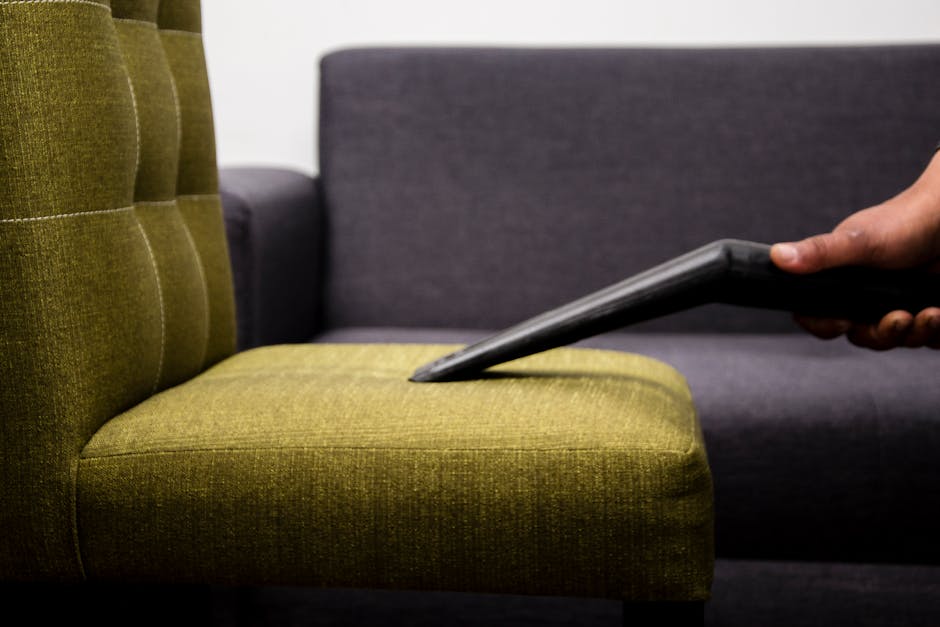
After that comes dry soil removal. This is a big one. Loose dust, crumbs, and grit need to be lifted out before any moisture is introduced. If you skip this, you can end up turning surface dirt into muddy residue. Not ideal. High-filtration vacuuming is usually the first real cleaning step.
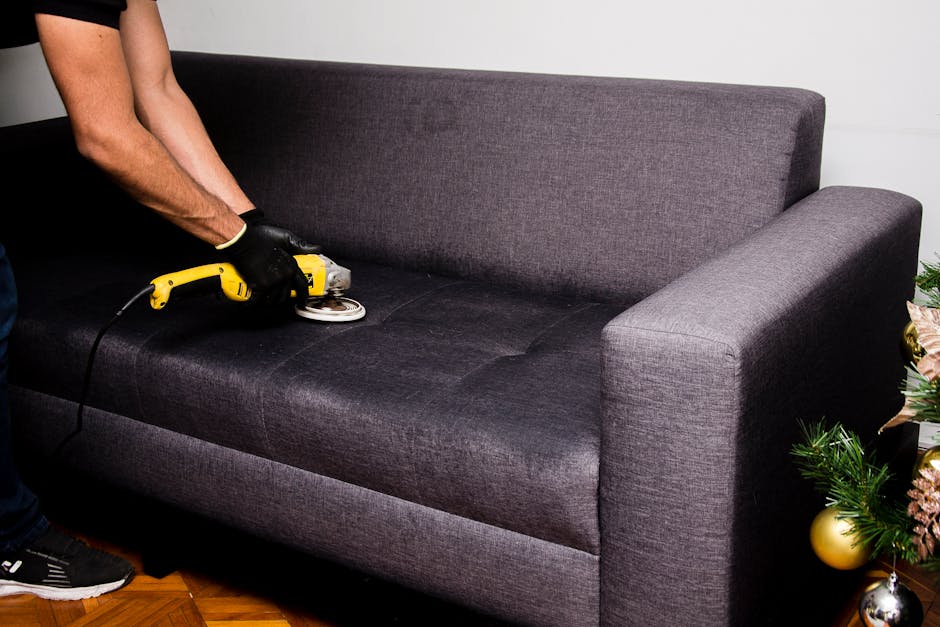
Then the cleaner chooses the treatment. For many commercial fabrics, a low-moisture or hot water extraction approach is common. That means cleaning solution is applied carefully, agitated into the fibres, and then extracted with equipment designed to remove dirt and moisture together. On more delicate pieces, a gentler upholstery-safe foam or encapsulation method may be better. Some leather or faux-leather items need specialist conditioning rather than heavy wet cleaning.
The final stage is drying and finishing. In a venue, this part matters more than people think. Poor drying can leave upholstery feeling damp, may slow reopening, and can create odour issues. Good operators will improve airflow, avoid overwetting, and give clear guidance on when the seating can be used again.
If your venue also deals with carpets, rugs, or hard flooring in the same fit-out, it can make operational sense to coordinate cleaning visits. Services such as carpet cleaning, rug cleaning, and hard floor cleaning can reduce disruption by getting multiple surfaces handled in one planned session.
Key Benefits and Practical Advantages
There are a few obvious benefits, and then there are the ones operators really feel day to day.
- Improved first impressions: Clean upholstery makes a venue look looked-after, even when the space is fully booked and a bit chaotic behind the scenes.
- Better scent control: Fabrics hold onto odours from food, drinks, smoke, and damp outerwear. Cleaning helps reset the room.
- Longer furniture life: Regular care slows wear, protects fibres, and reduces the need for expensive replacement.
- More comfortable seating: Clean fabric feels better to guests. Nobody wants to sit on a sticky armrest, let's face it.
- More practical housekeeping: Keeping on top of upholstery makes weekly cleans less stressful and less time-consuming.
- Support for brand standards: Whether your venue is casual or premium, the condition of the seating quietly reinforces your standards.
One benefit that often gets overlooked is consistency. In a busy venue, different staff may notice different things. One person sees the stain on the banquette, another spots the crumbs, someone else only notices when the room smells stale after a packed Saturday night. A planned upholstery cleaning routine creates consistency. It gives the team a standard to work to instead of relying on whoever happens to be on shift.
There is also a cost-control angle. Replacing commercial seating is rarely cheap, and finding furniture that suits a venue's layout, style, and wear pattern can be a pain. Cleaning is not a magic fix, of course. But it can buy time, preserve usable stock, and delay replacement in a sensible way.
Who This Is For and When It Makes Sense
Upholstery cleaning for Leake Street venues is relevant to a fairly broad group. If the furniture sees regular public use, it probably belongs on your maintenance plan.
- Bars and lounges: Banquettes, stools with fabric pads, booth seating, and waiting-area chairs all collect grime quickly.
- Restaurants and cafes: Spill-prone seating near dining areas usually needs deeper attention than a standard daily wipe-down.
- Event and performance spaces: High footfall, mixed audiences, and long opening hours can make furniture look tired fast.
- Studios and creative venues: Shared seating and varied use patterns often create uneven wear.
- Offices or co-working spaces with visitor areas: Reception chairs and lounge furniture influence the feel of the whole building.
- Hospitality operators preparing for inspections or events: A deep clean can be the difference between "fine" and "presentable".
So when does it make sense to book it? The answer is usually sooner than people think. If you see visible marks, dull patches, lingering odours, or fabric that no longer responds well to spot cleaning, the furniture is probably telling you it needs professional attention. If you are preparing for a relaunch, seasonal refresh, or a high-profile booking, that is another clear trigger.
It is also sensible after a busy run of events, especially if guests have been coming in with wet clothing, glitter, makeup, or takeaway food. Those are the hidden culprits. Quiet little monsters, really.
Step-by-Step Guidance
If you are planning upholstery cleaning for a venue, it helps to follow a structured process. That keeps the work efficient and reduces the chance of damage.
- Identify the furniture types. Make a list of what needs cleaning: sofas, booths, armchairs, dining chairs, stools, or fixed seating.
- Check the fabric and condition. Look for labels, manufacturer guidance, loose seams, tears, or fading. If a seat is already fragile, it may need a gentler approach.
- Spot the priority areas. Arms, headrests, seat fronts, and high-touch corners usually need the most attention.
- Test the cleaning method. A small inconspicuous patch should be checked first, especially on dyed or mixed fabrics.
- Vacuum thoroughly. Dry soil removal should happen before any wet treatment.
- Pre-treat stains carefully. Different marks need different handling. Food, grease, drink spillages, and body oils are not all the same thing.
- Clean with the correct method. Use low-moisture, extraction, foam, or specialist techniques depending on the fabric.
- Manage drying. Improve airflow, avoid use until the fabric is properly dry, and follow any drying instructions closely.
- Inspect the result. Check seams, corners, under cushions, and hidden areas for any residue or missed spots.
- Set the next interval. Build cleaning into your venue maintenance cycle instead of waiting for the next visible mess.
If you already have a broader cleaning programme, upholstery care works best when it sits alongside other surface maintenance. A venue that schedules office cleaning or one-off cleaning for reset days often finds it easier to add furniture care to the same visit rather than separate everything out.
Expert Tips for Better Results
Small choices make a big difference here.
1. Treat stains quickly, but not aggressively. Speed matters, yet scrubbing too hard can drive the stain deeper or rough up the fabric. Blotting is usually safer than rubbing. Sounds simple, and it is, but people still forget under pressure.
2. Do not guess the fabric. Mixed materials can look similar but behave very differently. One booth may tolerate moisture while another shrinks or marks easily. A proper inspection is worth it.
3. Think about airflow before the job starts. In a crowded Leake Street venue, drying can be awkward. Opening times, basement areas, limited ventilation, and warm lighting all affect how quickly furniture recovers. Plan for fans or extra ventilation where possible.
4. Clean before the fabric becomes visibly bad. Waiting until furniture looks awful makes the job harder and sometimes less successful. Preventive care is kinder to the upholstery and kinder to the budget.
5. Match the cleaning method to use patterns. A softly used lounge chair and a fixed booth in a late-night bar do not need the same treatment. The latter may need more frequent touch-point cleaning.
6. Keep a simple record. A dated log of cleaning visits, stain issues, and problem fabrics helps staff know what has been done. That is especially useful if several team members manage the venue.
Practical rule of thumb: the more people touch it, spill on it, or lean on it, the more often it should be cleaned. There is no mystery in that, just honest wear and tear.
Common Mistakes to Avoid
Most upholstery problems in venues are not dramatic. They are the result of repeatable, avoidable mistakes.
- Using a general-purpose cleaner on everything: What works on a table surface may be wrong for fabric.
- Overwetting the upholstery: Too much moisture can leave odours, slow drying, and sometimes create marks or wicking.
- Ignoring hidden edges: The visible seat gets cleaned while the back, piping, and under-cushion areas stay dirty.
- Skipping a test patch: This is how colour loss and water rings happen.
- Cleaning only when complaints appear: By then, the issue has usually spread.
- Forgetting about cushions and loose pads: These often hold the worst dirt.
- Not allowing enough drying time: Putting guests back onto damp fabric is a recipe for fresh marks and frustration.
Another mistake is trying to solve every stain with the same product. Grease, tannin, makeup, and protein-based marks behave differently. The wrong chemistry can make the stain set. Not every mark disappears on command, unfortunately. Real life is rude like that.
Tools, Resources and Recommendations
You do not need a warehouse of equipment to keep venue upholstery in decent shape, but you do need the right basics.
- High-filtration vacuum cleaner: Useful for removing dry soil before deeper cleaning.
- Fabric-safe pre-treatment products: These help with targeted stain work, provided they are used correctly.
- Microfibre cloths: Good for controlled blotting and light surface work.
- Soft brushes or agitation tools: Helpful when working solution through the pile without damaging fibres.
- Extraction equipment or low-moisture systems: These are often the backbone of professional upholstery care.
- Air movers or ventilation aids: Especially useful in closed venues or lower-basement settings.
- Inspection lights: Handy for spotting residue, shadowing, or overlooked marks.
For venues that want a broader cleaning reset, pairing upholstery care with deep cleaning can make sense, particularly after a seasonal rush or a long event cycle. If your seating is part of a larger customer-facing area, you might also look at window cleaning and facade cleaning so the inside and outside feel aligned. That visual consistency matters more than people think.
If you are comparing providers, ask how they handle delicate fabrics, drying times, stain testing, and insurance. A good cleaning company should explain the method in plain English and not just say "we'll give it a go". You want clarity, not bravado.
Law, Compliance, Standards, or Best Practice
Upholstery cleaning in a venue setting is not usually a heavily regulated activity in itself, but good practice still matters. UK businesses have general duties around workplace safety, and venue operators should consider how cleaning fits into their wider health and safety arrangements. That includes handling chemicals carefully, storing products securely, and making sure cleaning does not create slip risks or unnecessary disruption.
From a best-practice point of view, it is wise to use suitable products for the fabric type, follow manufacturer guidance where available, and ensure staff or contractors understand the risks of moisture, allergen spread, and surface contamination. If a venue serves food or drinks, hygiene standards and presentation standards overlap more than people realise. A seat does not need to be sterile, but it should not smell stale or carry visible residue from the last two weeks of trading either.
Insurance is worth checking as well. If a contractor is working around valuable fixtures, electrical points, or fixed seating, proper cover and careful methods are part of sensible business risk management. Services that are transparent about insurance and safety and their health and safety policy usually make life easier for venue managers. That is a good sign, plain and simple.
Best practice also means keeping records of cleaning schedules, especially in busier venues. It is not about bureaucracy for its own sake. It is about being able to answer the useful question: what was cleaned, when, and how?
Options, Methods, or Comparison Table
Different upholstery cleaning methods suit different venue needs. Here is a practical comparison.
| Method | Best for | Advantages | Watch-outs |
|---|---|---|---|
| Hot water extraction | Durable fabric seating, heavy soiling, high-traffic areas | Deep clean, strong soil removal, good for recurring build-up | Needs drying time; not ideal for every delicate fabric |
| Low-moisture cleaning | Venues needing quicker turnaround | Faster drying, less disruption, suitable for regular maintenance | May not remove deeply embedded soiling as aggressively |
| Foam or encapsulation cleaning | Light-to-moderate soiling, scheduled upkeep | Controlled moisture, useful for routine care | Can be less effective on old, heavy stains |
| Specialist leather treatment | Leather armchairs, lounge seating, feature pieces | Helps clean and condition without soaking the material | Requires product compatibility and careful handling |
There is no universal winner. The right method depends on the fabric, the stain load, and the timetable. A venue that cannot close for long may prioritise quicker drying. A lounge with older, heavily used booths may need a deeper extraction. The best cleaners will talk through that trade-off rather than pretending one system does everything. It does not.
Case Study or Real-World Example
Picture a small Leake Street venue preparing for a weekend event after a run of wet weather. Guests have been coming in with damp jackets, the booth seating has picked up a faint general odour, and the pale armrests near the entrance look dull in the evening light. Nothing catastrophic. Just enough to make the room feel a bit less sharp than it should.
The venue team does a quick walk-through and identifies three priorities: front-of-house sofas, the main booth line, and a handful of fabric chairs near the bar. They book a cleaning visit on a quieter afternoon, move portable items where possible, and flag a couple of older marks that have been bothering staff for weeks. The cleaner inspects each fabric, test checks the visible problem areas, and uses a low-moisture approach on the quicker-turnaround pieces while treating the most worn booth sections more thoroughly.
By the next day, the room looks brighter. More importantly, it smells fresher and feels cared for again. Not shiny-new. Realistically, nothing in a working venue is. But presentable, comfortable, and back in step with the rest of the space. That is often the real goal.
In our experience, that before-and-after difference is not just visual. Staff tend to keep the area tidier once it has been properly cleaned. Guests settle in more comfortably too. Small thing, big ripple.
Practical Checklist
Use this checklist before booking or carrying out upholstery cleaning in a venue.
- Identify all upholstered items that need attention.
- Check fabric type, condition, and any care labels.
- Note stains, odours, and high-traffic wear areas.
- Decide whether a quick refresh or a deeper clean is needed.
- Plan around opening hours and drying time.
- Confirm safe access to seating and surrounding areas.
- Make sure nearby floors are protected from overspray or moisture.
- Choose a method suitable for the fabric and turnaround time.
- Confirm the provider can explain stain treatment and drying expectations.
- Review any follow-up maintenance needed after the clean.
Quick takeaway: the best results come from preparation, not panic. A few minutes of planning can save hours of hassle later.
Conclusion
Upholstery cleaning for Leake Street venues is one of those jobs that quietly pays off in several directions at once. The room looks sharper. The furniture lasts longer. Guests feel more comfortable. Staff have fewer lingering issues to manage. And the whole place just feels more in control, which is a lovely thing during a busy service or event night.
If your venue relies on seating to create atmosphere, then upholstery care should be treated as part of the operating rhythm, not a special occasion task. Plan it, match the method to the fabric, and build it into your wider maintenance routine. That approach is usually simpler, cheaper in the long run, and far less stressful. Truth be told, it is one of the easier wins in venue upkeep.
Get a free quote today and see how much you can save.
When the seats look cared for, everything else feels a little more welcoming. That counts for a lot.
Frequently Asked Questions
How often should upholstery be cleaned in a Leake Street venue?
It depends on footfall, fabric type, and how food or drinks are used in the space. High-traffic venues often need planned maintenance more often than quiet spaces, especially for seating near entrances or bar areas.
Can all venue upholstery be cleaned the same way?
No. Fabric, leather, faux leather, and mixed materials each need different treatment. The wrong method can cause marking, shrinking, or slow drying, so inspection comes first.
Will professional upholstery cleaning remove every stain?
Not always. Some stains are permanent, especially if they have been left for a long time or treated with the wrong product. A good cleaner can usually improve appearance significantly, but honest expectations matter.
How long does upholstery take to dry?
Drying time varies with the method used, the fabric, ventilation, and room temperature. Low-moisture methods usually dry faster, while deeper extraction work can take longer.
Is upholstery cleaning disruptive for venues?
It can be scheduled to minimise disruption. Many venues arrange cleaning during off-hours or quieter periods so seating can dry before customers return.
What should I do before a cleaner arrives?
Clear loose items, identify problem areas, and share any fabric concerns or known stains. If cushions are removable, keep them grouped together so nothing goes missing in the shuffle.
Does upholstery cleaning help with smells?
Yes, often. Fabrics absorb odours from food, drinks, damp clothing, and general traffic. Cleaning can reduce that stale background smell and make the room feel fresher.
What is the best method for busy venue seating?
There is no single best method for every venue. For many high-use spaces, low-moisture or carefully managed extraction methods work well because they balance cleaning power with turnaround time.
Should I clean upholstery if it looks fine but feels tired?
Yes, that is usually a good time to act. Dull fabric, flattened pile, and a faint odour can appear before visible staining becomes obvious. Early cleaning is easier than waiting for a full reset.
Can upholstery cleaning be combined with other venue cleaning services?
Absolutely. It often makes sense to coordinate with carpet, rug, floor, or window cleaning so the whole front-of-house area is refreshed in one planned visit.
Is it worth booking a professional instead of doing it in-house?
For venue furniture, usually yes. In-house cleaning is useful for spot upkeep, but professional equipment and experience are better for deeper soil removal, delicate fabrics, and managing drying properly.
What if the furniture is old or already worn?
Older upholstery can still often be improved, but a careful inspection is important. Sometimes cleaning is a sensible stopgap that buys time before repair or replacement.